
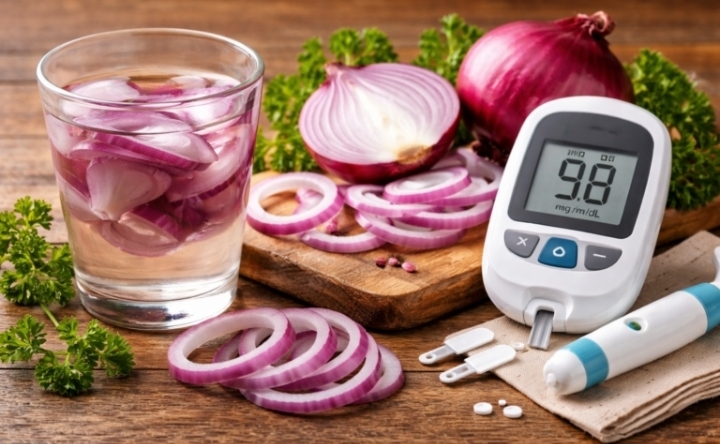
Onion is a common food in many cuisines around the world, but it has also been traditionally used as a natural remedy. In recent years, preliminary studies have looked at whether onion can contribute to blood glucose control.Although it is not a medication or substitute for diabetes treatment, onion contains compounds that could support glycemic control as part of a balanced diet.
Nutritional properties of onionOnion (Allium cepa) is rich in:AntioxidantsFlavonoidsFiberVitamin CNatural sulfur compoundsOne of its main compounds is quercetin, an antioxidant with possible anti-inflammatory and metabolic effects.
How can onion influence blood sugar?
Onion can help in several ways:
1️⃣ Support for insulin sensitivitySome animal and human studies suggest that certain compounds in onion may improve insulin sensitivity, helping the body use glucose better.
2️⃣ Reduction of oxidative stressType 2 diabetes is often associated with inflammation and oxidative stress. The antioxidants present in onion can help reduce this process.
3️⃣ Natural fiberFiber helps slow the absorption of sugar in the intestine, which can prevent sudden spikes in glucose.
Additional benefits of onion
In addition to its possible support for blood sugar control, onion can:✔ ️ Support cardiovascular health✔ ️ Contribute to reducing inflammation✔ ️ Promote digestion✔ ️ Support the immune system
How to consume onion to support sugar control
There are several safe ways to include onion in your daily diet.
1. Raw onion in saladsAdding half a fresh onion to salads can provide antioxidants without losing cooking properties.
2. Cooked onion in healthy mealsSauteed with vegetables or added to soups, it can be part of a balanced diet.
3. Onion water (traditional use)Ingredients:½ red onion1 glass of waterPreparation:Cut the onion into slices.Let it sit in a glass of water for 6–8 hours.Drink the water on an empty stomach.
⚠ ️ Important: This practice is traditional and does not replace diabetes medications.
How much onion can you consume?
There is no specific medical dose to lower glucose. In general:½ to 1 onion daily in the diet is safe for most people.Avoid excessive consumption if it causes digestive discomfort.
Can onion replace diabetes medications?
No.Onion is not a substitute for insulin or prescription medications. It can be a complement within a plan that includes:Balanced dietRegular physical activityMedical checkGlucose monitoringTreatment should never be stopped without consulting a doctor.
Who should be careful?
Consult a professional if:You take diabetes medications.You suffer from frequent hypoglycemia.You have severe gastrointestinal problems.You take anticoagulants.Onion can slightly enhance the effect of some medications.
Additional tips for controlling blood sugar
To improve glycemic control:✔ ️ Reduce consumption of refined sugar✔ ️ Prioritize whole foods✔ ️ Eat protein at every meal✔ ️ Maintain healthy weight✔ ️ Exercise regularly✔ ️ Sleep wellThe key is not just one food, but the entire lifestyle.
Conclusion
Onion to lower blood sugar can be a natural complement to a healthy diet. Its antioxidants, fiber and bioactive compounds could contribute to glycemic control when combined with proper habits.However, it is not a substitute for medications or medical treatment. If you have diabetes or prediabetes, always consult with your health care professional before making changes to your diet.Prevention, medical control and consistency continue to be the best strategy.