
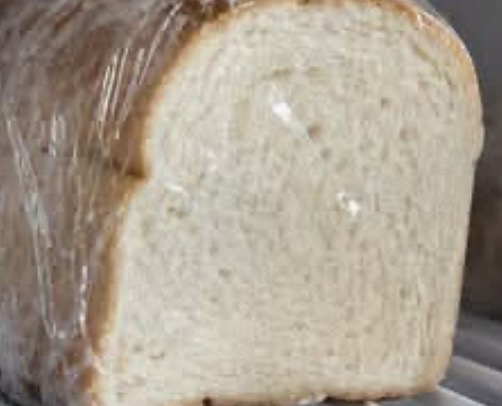
For most of us, tossing a loaf of bread into the freezer is a matter of survival. It’s the ultimate defense against that dreaded patch of green mold when you realize you can’t finish a full loaf before its expiration date.
But while freezing is widely used as a basic preservation tactic, not many people know what actually happens to bread at a molecular level when it freezes. Beyond simply pausing the clock on spoilage, freezing completely alters the bread’s structure—and, surprisingly, it actually makes it healthier for you.
1. It Completely Rewires the Carbs (The Health Benefit)
This is the hidden perk that surprises most people. When bread is baked, the starches gelatinize, making them incredibly easy for your body to digest and rapidly turn into glucose. This is why white bread can cause a sharp spike in your blood sugar.
However, when you freeze bread and then thaw or toast it, something called starch retrogradation occurs.
- The freezing process reorganizes the molecules into a completely new structure known as resistant starch.
- Because it is “resistant,” your body’s digestive enzymes can’t break it down as easily.
- It travels further down your digestive tract, acting more like dietary fiber.
The result? Frozen-then-thawed bread has a significantly lower glycemic index than fresh bread, meaning smaller blood sugar spikes and sustained energy.
2. It Pauses “Staling” (Unlike the Refrigerator)
Many people mistakenly think the refrigerator is…..
2. It Pauses “Staling” (Unlike the Refrigerator)
Many people mistakenly think the refrigerator is the best middle ground for keeping bread fresh. In reality, the fridge is a loaf’s worst enemy.
Bread goes stale not just because it loses moisture, but because the starch molecules recrystallize—a process that happens exceptionally fast at standard refrigerator temperatures (32∘F to 40∘F). The fridge actually accelerates staling, leaving you with a dry, leathery crust.
Freezing, on the other hand, drops the temperature so drastically and quickly that it halts this crystallization process completely. It locks the moisture right in its tracks, preserving the bread’s original crumb integrity.
3. The Perfect Reheating Science
To get that “fresh-baked” texture back, you have to undo the crystallization properly.
- Toasting from Frozen: Dropping a frozen slice directly into the toaster is actually the best method. The intense, rapid heat forces the trapped moisture to instantly turn into steam, re-gelatinizing the starches and giving you a crispy exterior with a perfectly soft interior.
- Thawing the Whole Loaf: If you are thawing an entire loaf, leave it on the counter inside its plastic wrapper. This allows the bread to reabsorb the condensation that formed on the inside of the bag as it thaws, preventing it from drying out.
The Takeaway: Next time you buy a fresh loaf, consider slicing it up and freezing it immediately. You aren’t just saving yourself from wasting money—you’re genuinely upgrading the science of your sandwich