
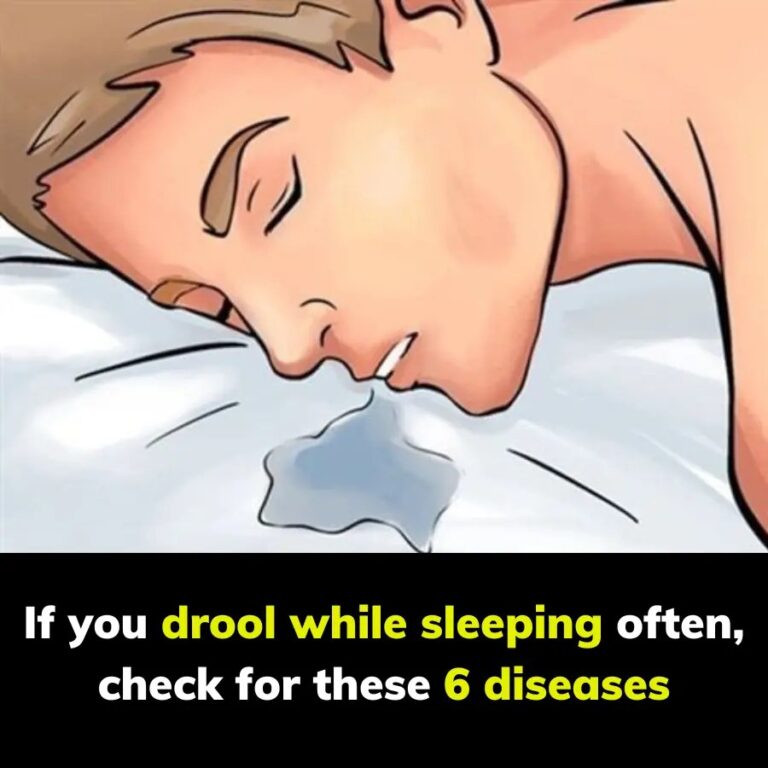
. Side Effects of Medications – Is Your Medicine Making You Drool?
Certain medications can cause an increase in saliva production or affect muscle control, leading to excessive drooling.
 Common medications that cause drooling:
 Antipsychotics (used for schizophrenia, bipolar disorder) Certain antidepressants Muscle relaxants Medications for Alzheimer’s or Parkinson’s disease
What to do?
If you think your medication is causing excessive drooling, speak to your doctor about possible alternatives or adjustments.
6. Dental & Oral Health Issues – Could It Be Your Mouth?
Problems with your teeth, jaw alignment, or oral infections can lead to excessive drooling.
Signs to watch for: Difficulty closing your mouth properly Inflamed or swollen gums Frequent cavities or tooth pain Mouth ulcers or sores
What can help?
- Regular dental check-ups
- Proper oral hygiene
- Correcting misaligned teeth with braces or retainers
How to Reduce Drooling While Sleeping
If you drool frequently, try these simple remedies: Sleep on your back instead of your side Stay hydrated to balance saliva production Use an extra pillow to elevate your head Treat any underlying allergies, GERD, or infections Practice swallowing exercises to improve muscle control
When to See a Doctor
If your drooling is frequent, excessive, or accompanied by other health symptoms, consult a doctor to rule out any serious medical conditions.
Drooling might seem harmless, but it could be a hidden warning sign of a bigger issue. Paying attention to your body and making simple lifestyle changes can help prevent discomfort and improve your overall health.
 Have you noticed excessive drooling while sleeping? It might be time for a check-up!