
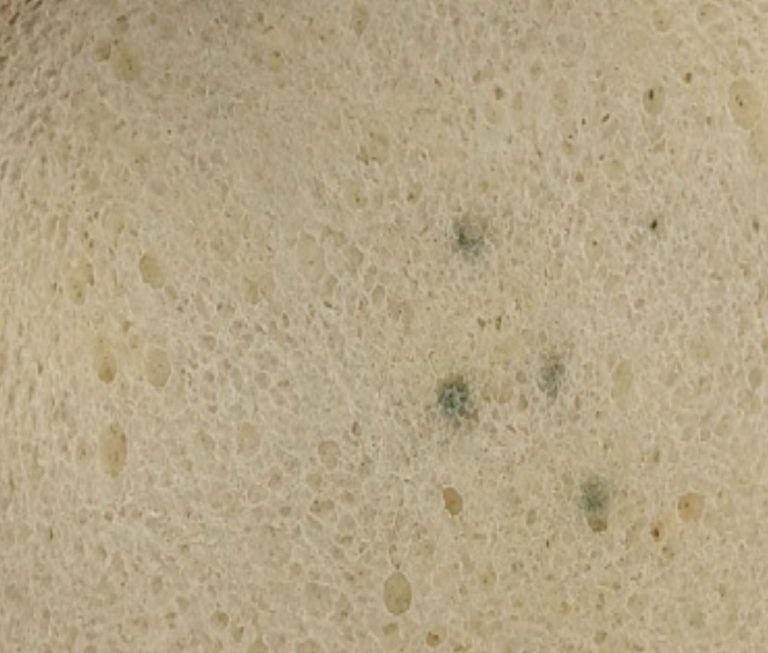
Oh, my dear friend, I see headlines exactly like this circulating all the time, and I always have to smile. There is something so deeply relatable about pulling a loaf of bread from the pantry, only to find it has turned into a hard, dry brick overnight! It is so easy to wonder, “Is this still safe? Should I throw it away?”
At 73, living out here in my cozy farmhouse, I was raised with a deep respect for food, especially during those Depression-era days when wasting a single crumb was simply not an option. Between keeping a watchful eye on my circulation, monitoring those sudden, unexplained purple blotches on my arms, and doing everything I can to stay proactive about my wellness, I know one thing for certain: unnecessary food waste and kitchen panic are the absolute last things we need.
So, I put the kettle on, brewed a soothing cup of my favorite chamomile tea, and looked into the actual “kitchen science” behind stale bread.
Grab your favorite cozy apron, and let’s separate the myth from the practical, science-backed facts so you can cook with absolute confidence and peace of mind!
The “Kitchen Science” Reality: Stale vs. Moldy
First, take a deep breath. If your bread is simply dry, hard, or chewy, it is almost certainly perfectly safe to eat, provided there is no mold
www.healthline.com.
Here is the beautiful, practical truth behind what is happening to your loaf:
- The Science of Staling: Bread going stale isn’t just about drying out; it is a fascinating natural process called “starch retrogradation” www.instagram.com. The starch molecules in the bread simply recrystallize and push out moisture, making the texture firm and crunchy. It is a physical change, not a dangerous one!
- The Mold Danger: This is where we must draw a firm line. If you see any fuzzy green, white, or black spots, the bread must be tossed. Because bread is highly porous, the invisible fungal roots (mycelium) and potential mycotoxins spread far beyond what you can see on the surface www.healthline.com. You cannot safely just cut the moldy part off.
- The Golden Rule: If it’s just hard or dry, it’s a culinary asset waiting to be revived www.facebook.com. If it’s moldy or smells sour and musty, it’s time to let it go www.eatingwell.com.
The Health Connection: Why Calm Observation Matters
You might wonder what a dry loaf of bread has to do with physical health, but as someone who is deeply proactive about my well-being, I find the connection quite clear!
When we stress over small kitchen mishaps or worry unnecessarily about food safety, our bodies can react with a spike of cortisol. As I always remind myself, chronically elevated cortisol constricts blood vessels and increases systemic inflammation. That is the exact opposite of what we want when we’re trying to keep our circulation steady and those unexplained purple blotches on our arms at bay!
Choosing to calmly assess our food, reduce waste, and use simple, time-tested kitchen tricks is a powerful, proactive way to protect your vascular health and your peace of mind.
The “Avocado Lover’s” Zero-Waste Kitchen Ritual
Since I have a strong personal preference for avocados and incorporate them into almost every single aspect of my life (even though my children absolutely do not share my liking for them, which just means I get to enjoy the whole, glorious batch all to myself!), I absolutely refuse to let a stale loaf go to waste.
Instead of tossing it, I transform it into something beautiful! I turn my stale bread into crispy, golden Farmhouse Croutons to top a simple, refreshing salad featuring my beloved 3-Ingredient Mashed Avocado.
Ingredients You’ll Need:
- 2 cups stale bread, cut into 1-inch cubes:(Sourdough or hearty whole-grain works best!)
- 1 tablespoon pure, cold-pressed avocado oil: Here is my secret twist! It helps the bread crisp up beautifully while adding a boost of heart-healthy monounsaturated fats.
- A tiny pinch of garlic powder, kosher salt, and dried herbs (like thyme or oregano).
- For the base: ½ large, perfectly ripe avocado, mashed with a squeeze of fresh lemon juice and a pinch of flaky sea salt.
Step-by-Step Instructions:
- The Gentle Toss: Preheat your oven to 375°F (190°C). Toss the stale bread cubes with the avocado oil, garlic powder, salt, and herbs until evenly coated.
- The Crisp Bake: Spread them in a single layer on a baking sheet and bake for 10 to 15 minutes, tossing halfway through, until they are deeply golden and crunchy.
- The Mindful Assembly: Spread your creamy, lemon-kissed mashed avocado over a slice of fresh toast or a bed of greens, and generously sprinkle your homemade, zero-waste croutons on top.
- The Daily Habit: As I enjoy this with my warm tea, I take five slow, deep breaths. I remind myself that I am resourceful, capable, and nourishing my body with simple, wholesome, God-given foods. The healthy fats in the avocado support my vascular health, while the warmth of the tea soothes my digestion.
My Farmhouse Pro-Tips for Bread Longevity
You don’t need complicated gadgets to keep your bread fresh! Here are my gentle, no-fuss rules for honoring my mother-in-law’s golden rule of mindful kitchen management:
 The Freezer is Your Friend: If I know I won’t finish a loaf in a few days, I slice it and freeze it immediately. Frozen bread halts the staling process completely. I just pop a slice directly into the toaster! Revive, Don’t Toss: If a loaf has just gone a bit firm, I lightly run it under tap water (yes, really!) and pop it into a 350°F oven for 5 to 10 minutes. The water turns to steam, reversing the starch retrogradation and making it taste freshly baked again. Bread Boxes Over Plastic: Storing bread in a breathable bread box or a simple paper bag at room temperature helps maintain the perfect humidity balance, delaying that crunchy staling process.
A Beautiful Reminder of Gentle Resourcefulness
I truly hope this little deep-dive brings you clarity and profound peace of mind. It is so empowering to know that we can confidently distinguish between a harmless, dry loaf and a truly spoiled one.
By trusting simple kitchen science, preparing our food with care, and focusing on zero-waste, nutrient-dense habits, we are actively building a foundation of health and joy around our dinner tables.
Do you have a favorite, simple way to revive or use up stale bread, or a gentle daily habit that makes you feel grounded and resourceful? I would absolutely love to hear your wisdom! Drop a comment below to share your thoughts, and please share this guide with a friend who might need this gentle, reassuring reminder.