
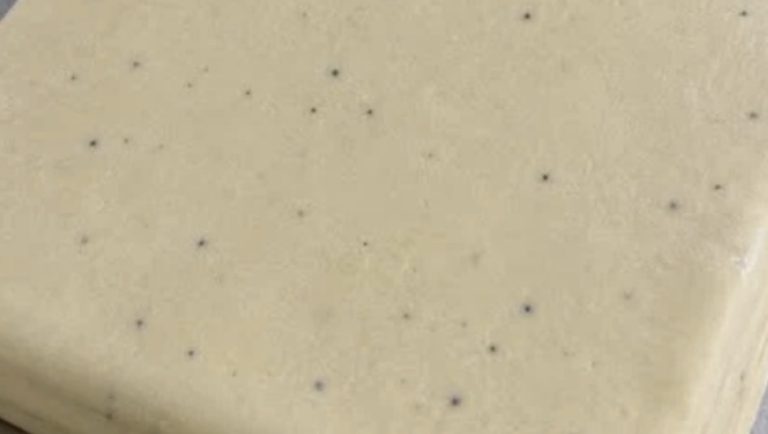
I was in my late forties, working on a recipe that required puff pastry, when I noticed something unsettling. Tiny black dots were scattered across the surface of the dough. My immediate instinct was panic. Was it still safe to use, or had it gone bad? A quick dive into culinary research brought immense relief and a fascinating lesson in baking science.
Those tiny black specks are almost always just burned flour. It is a completely natural and harmless occurrence during the baking process, not a sign of poor quality or spoilage. Puff pastry is baked at very high temperatures to achieve its signature flaky layers. During this intense heat, tiny particles of flour or small clumps of moisture can brown or char slightly. The rich butter in the dough also contributes to this natural caramelization and browning reaction, leaving behind harmless, dark speckles.
However, it is crucial to know when to worry. While burned flour is flat, dry, and simply gives the pastry a slightly dark, speckled appearance, mold is an entirely different story. Mold indicates spoilage and will present as fuzzy, raised spots that can be white, green, or black. If the pastry emits a sour or unpleasant odor, feels slimy to the touch, or is well past its expiration date, it has spoiled. The golden rule of food safety always applies. If you are ever in doubt, throw it out.
If you want to minimize the appearance of these harmless specks,…
If you want to minimize the appearance of these harmless specks, a few simple baking adjustments can make a big difference. Baking at a slightly lower temperature can prevent the flour from scorching. Using a silicone baking mat or a pastry cloth prevents the dough from sticking to the pan, which reduces friction and localized burning. Additionally, keeping the pastry thoroughly chilled before baking and avoiding overworking the dough will yield a more even bake. Starting with high quality flour also helps, as it tends to behave more predictably under heat.
When you encounter these dots, your next steps depend on your assessment. If you have confirmed it is merely burned flour, the pastry is perfectly safe to eat. If you suspect mold, discard the entire package immediately. If you are unsure, it is always safer to err on the side of caution and throw it away. For minor speckling from burned flour, you can simply trim away the affected edges or use that specific sheet of pastry for a recipe where the bottom or hidden layers will not be visible, such as the base of a savory pie.
Many home bakers wonder if these dots are safe, and the answer is a resounding yes, provided they are just scorched flour. You can easily tell the difference because burned flour remains flat and dry, whereas mold is distinctly fuzzy and raised. You only need to discard the pastry if actual mold is present, and you can often prevent the dots entirely by managing your oven temperature.
Learning the truth behind those mysterious black dots brought me great relief. It transformed a moment of kitchen anxiety into an understanding of a harmless, natural quirk of the baking process. Now, I can bake with confidence, knowing exactly what to look for and how to ensure my pastries are both beautiful and safe.